 Taliyo Technologies

The Static Portfolio Bottleneck
Static developer portfolios fail on three critical dimensions: (1) they offer no immersive engagement beyond flat images, (2) they lack any content management system forcing manual code edits for every project update, and (3) they expose admin credentials or accept raw file uploads without proper server-side validation, creating serious security vulnerabilities for production deployments.
3D Interactive Headless CMS Portfolio Engine
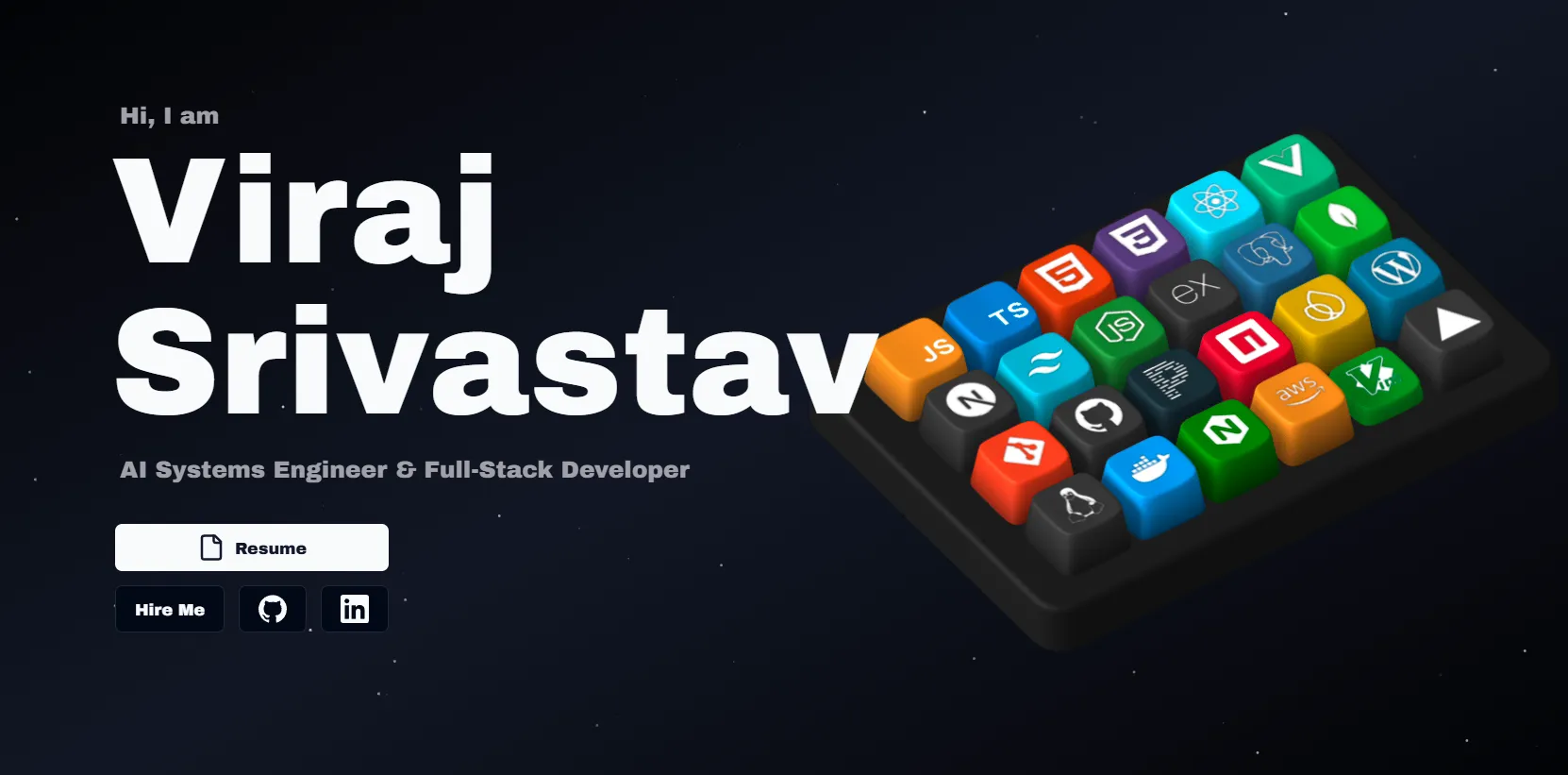
Taliyo deployed a modular Next.js 14 architecture with App Router route groups segregating public, admin, and API layers for maximum security and maintainability. The Spline 3D interactive keyboard viewport renders semantic keycap highlights, label popups, and description cards on hover, with custom GSAP ScrollTrigger animations and Framer Motion page transitions creating a cinematic storytelling experience. The admin CMS is fully decoupled: the /api/admin/auth route validates ADMIN_PASSWORD against server-exclusive environment variables, ensuring password strings never leak into compiled client-side JavaScript bundles. All screenshot uploads go through strict x-admin-token header validation, with disk storage segregated from public assets. Contact messages are stored directly in Supabase via server-controlled anon bypasses, with IP-based rate limiting (3 messages per 5 minutes per client IP) preventing spam and DoS attacks at the edge. Pre-configured mailto reply templates and Resend SDK integration enable one-click response workflows. Performance is engineered at the edge: Vercel Edge Network serves static assets with 1-year immutable caching, while dynamic routes use server components and streaming for sub-100ms paint scores. The custom Canvas-based Matrix code rain overlay (toggled via 'm' key) features Katakana, binary streams, and color-opacity trails without impacting frame rates, with adaptive non-absolute rendering preventing coordinate drift on mobile/tablet viewports.